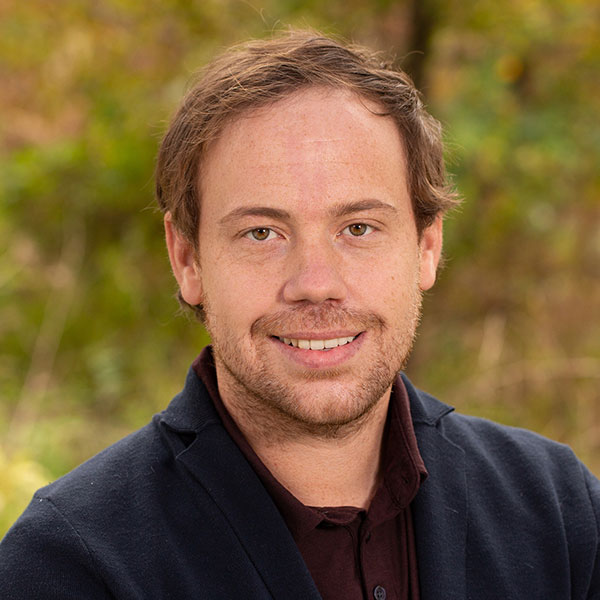
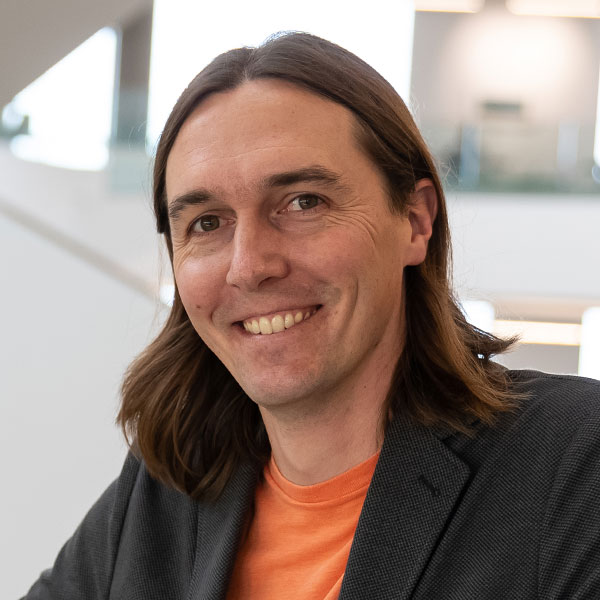
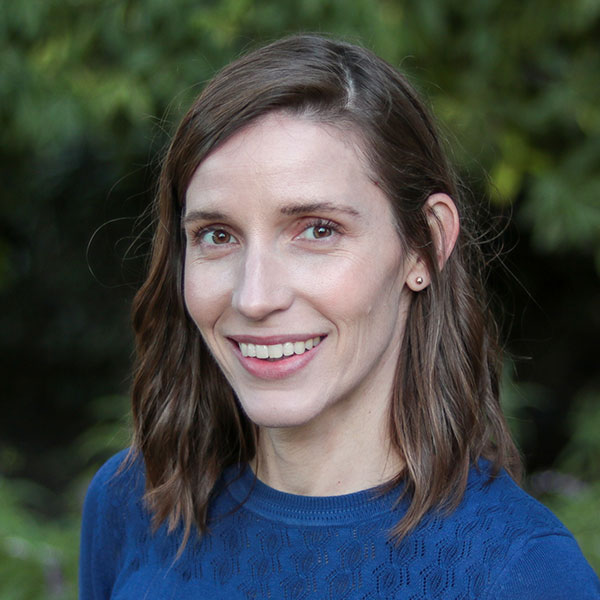
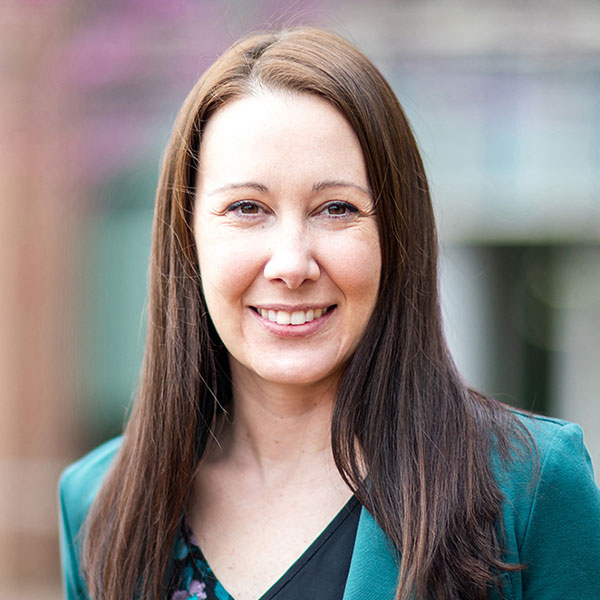
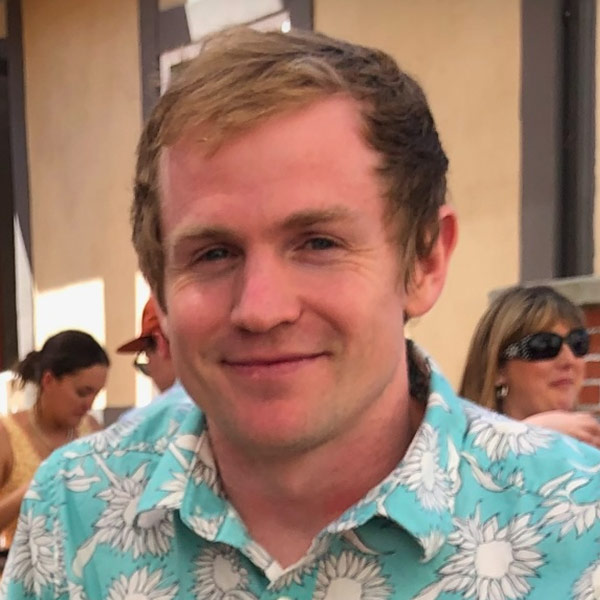
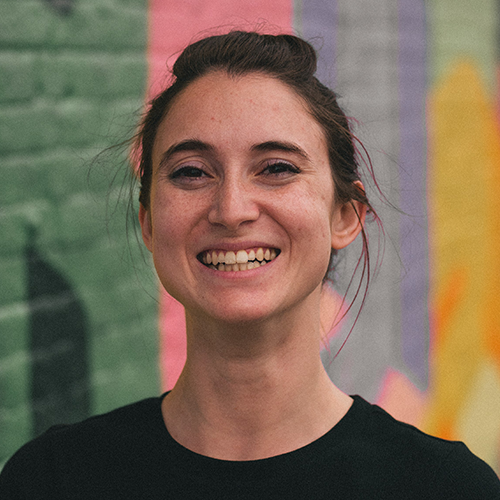
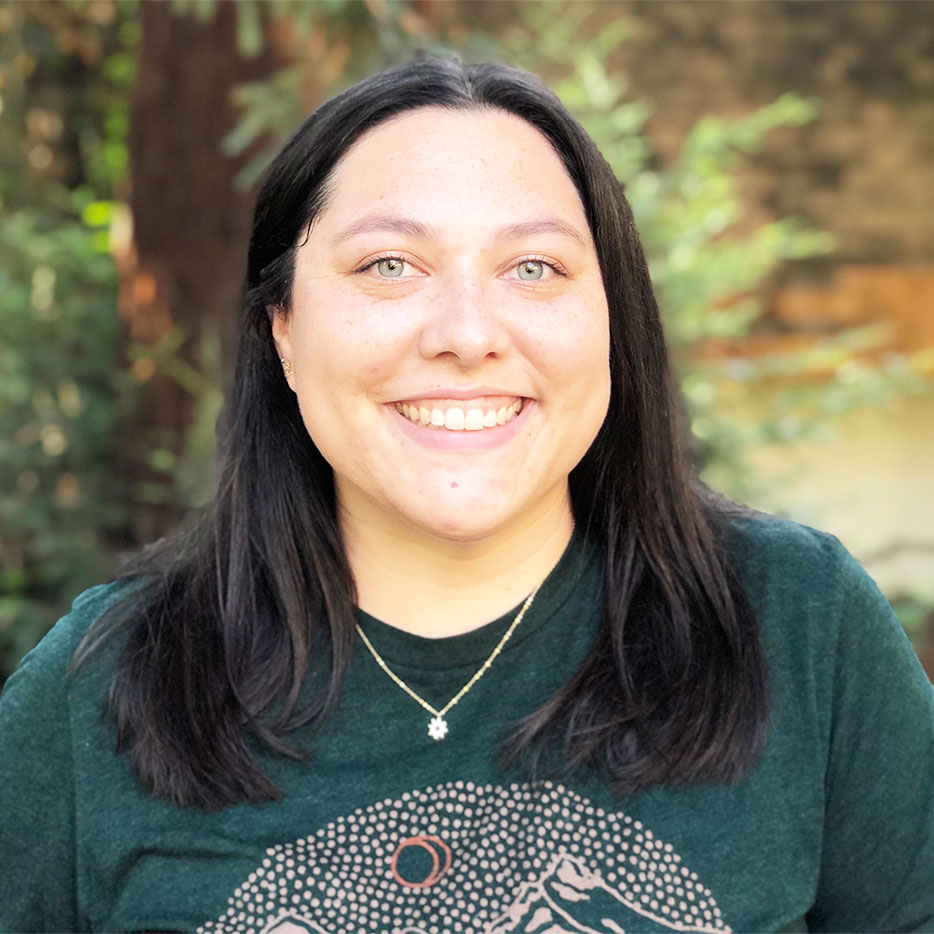
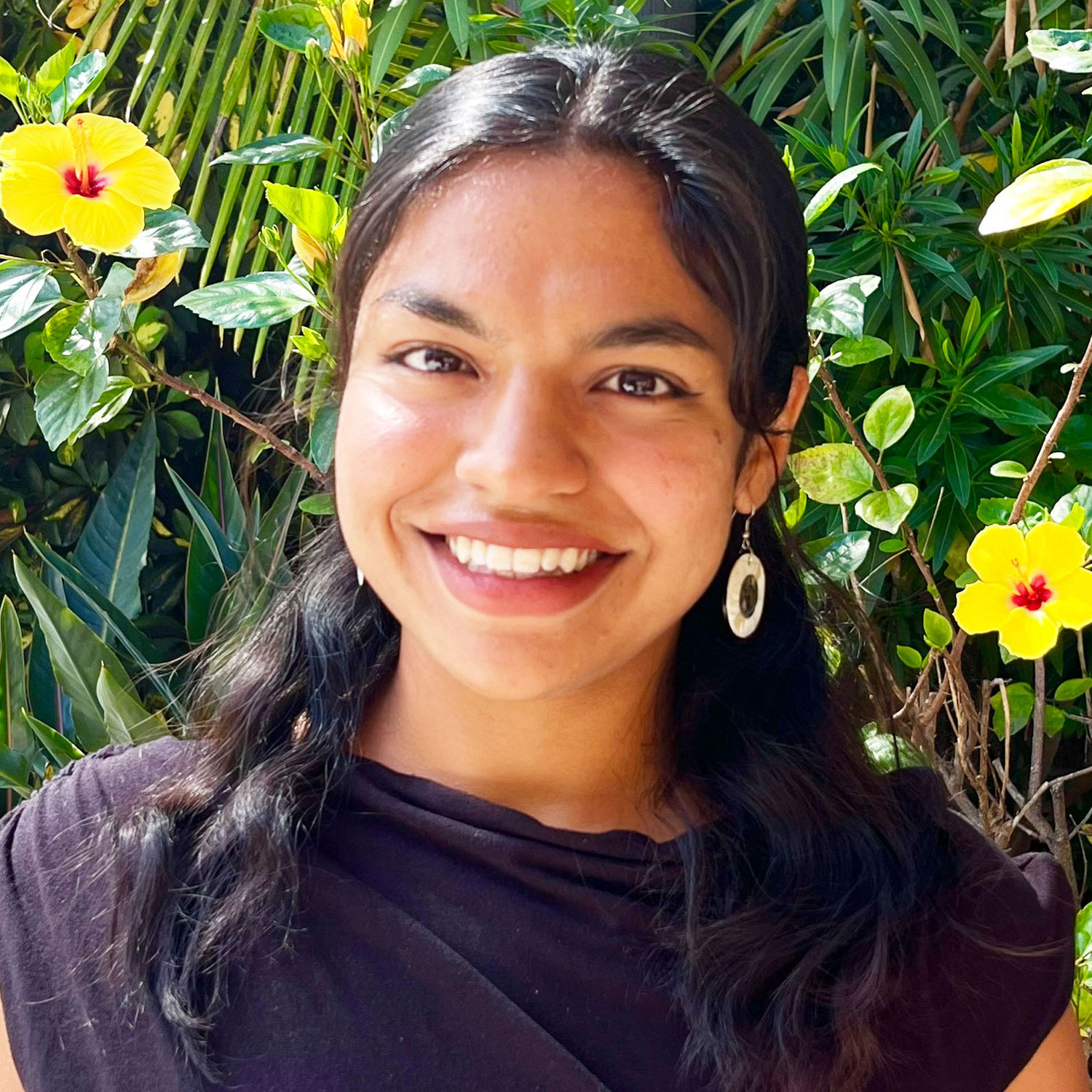
Dr. Martín Tresguerres is a marine physiologist specializing in the cellular biology of marine animals and their responses to environmental change. His research integrates molecular techniques, scuba-diving fieldwork, and environmental sensing to explore marine neurobiology in natural habitats. His career spans marine physiology and biomedical research, with pioneering contributions to understanding pH chemosensing, metabolic communication between neurons and astrocytes, and neurobehavioral responses to CO2-induced aquatic acidification. Tresguerres is dedicated to mentoring, outreach, and expanding scientific capacity in Latin America. He joined SIO-UCSD in 2010 and served as Director of the Marine Biology Research Division from 2018-2022. Among other honors and awards, Tresguerres was recently selected as a fellow of the California Academy of Sciences.
Contact Dr. Tresguerres via email: mtresguerres@ucsd.edu
Dr. Amro Hamdoun’s research combines the fields of developmental biology and environmental toxicology. My interests focuses on the defense and survival mechanisms of embryos and the biology of the accumulation and elimination of chemicals in marine animal cells. Our lab applies advanced light microscopy technologies to understand how fine-scale changes in location of intracellular proteins during embryonic development can alter embryo physiology and susceptibility or resistance of the embryo to environmental chemicals. These studies are providing basic insights into the mechanisms of regulation of cellular defenses and predictive insights into how chemicals move from the environment into marine animal cells. Many of these studies underscore the close relationship between the oceans and human health.
Dr. Deirdre Lyons’ research advances our understanding of cellular and molecular mechanisms by using emerging model organisms beyond conventional terrestrial systems (e.g., yeast, Drosophila, Caenorhabditis elegans, mouse). Her work with marine invertebrates has led to insights into biological systems through two primary avenues: first, the development of functional tools across diverse species reveals novel cellular and molecular processes; and second, the conservation and innovation observed among embryonic programs enables the investigation of how fate specification, robustness, and resilience are encoded during development, or disrupted in disease states and warming ocean environments. A new focus on the lab is gene x environment interactions, a domain historically underemphasized in developmental and cell biology. Dr. Lyons’ laboratory also prioritizes technological innovation, evidenced by the establishment of comprehensive methods for the complete lifecycle rearing of marine organisms, the assembly of chromosome-level genomic maps, and the development of reagent delivery systems for embryonic gene manipulation.
Dr. Matt Lovett-Barron is a neurobiologist with diverse training and expertise in behavioral, cellular, and systems neuroscience. His research focuses on examining brain-wide networks in small aquatic organisms. His lab develops novel behavioral, imaging, and analysis methods to study the brain and behavior of small optically-accessible fish. Lovett-Barron possesses extensive experience in multiphoton functional calcium imaging and electrophysiology in multiple model systems (rats, mice, zebrafish, and glassfish). His discoveries have included the identification of hippocampal cell types controlling learning in mice (Lovett-Barron et al., Science 2014), the identification of a distributed network of arousal-regulating neuromodulatory cell types in zebrafish and mice (Lovett-Barron et al., Cell 2017), and the discovery of neural activity patterns driving the development of schooling behavior in glassfish (Zada…Lovett-Barron, bioRxiv 2023). He also possesses strong expertise in fish transgenesis and developing novel techniques for tethering behaving fish for cellular-resolution in functional imaging. Furthermore, his lab’s expertise in analyzing high-dimensional neural activity imaging from behaving animals encountering diverse visual, mechanical, and chemosensory stimuli are indispensable in the assessment and interpretation of neural dynamics and their responses to environments that change on acute and chronic timescales.
Dr. Diana Rennison’s research focuses on identifying and characterizing the genetic and molecular underpinnings of rapid adaptive evolution. To achieve this, she develops projects that integrate field collections, controlled experiments, state-of-the-art genomics, and theory. Her work leverages the threespine stickleback, a small fish considered a textbook case for repeated rapid adaptive evolution that has copious genomic resources. Her expertise in evolutionary genomics and ecology is crucial for understanding broad spatial patterns of organismal variation (genotype & phenotype), linking neurological phenotypes to underlying genotypes and characterizing associated molecular changes. As a graduate student, she studied the phenotypic and genetic changes underlying stickleback adaptation to different trophic niches. During her postdoc, she quantified the repeatability of genetic changes across stickleback populations adapting to similar ecological conditions. She then leveraged variation in patterns of repeatability to identify genetic (e.g., mutation rate), demographic (e.g., population size) or ecological factors (e.g., type or similarity of selective regime) associated with increased (or decreased) predictability of evolutionary trajectories. Currently, in her own lab, she continues to generate inferences and estimates that will potentiate development of a generalizable framework for predicting evolutionary responses in a variety of contexts. To estimate repeatability across biological levels, it is necessary to establish connection between trait variation, and ultimately, the fitness consequences associated with this variation. This same approach of linking genotype and phenotype to fitness will be used to explore how climate change affects the neurobiology of stickleback.
Dr. Nathan Shaner’s research program aims to understand the fundamental mechanisms at work in the two-way interaction of light with biological systems at the level of proteins, cells, and organisms. With this understanding, his lab can exploit the basic principles of biological fluorescence, bioluminescence, and photoreception to create widely useful genetically encodable probes for observing and manipulating cell activity and function. He has been engineering genetically encoded optical probes for over 20 years. Many of the “mFruit” family of monomeric DsRed variants were developed by him as a PhD. Student (e.g., mCherry, tdTomato and mApple), as well as more recently developed probes (e.g., mNeonGreen), which have proven to be invaluable across a broad array of biological research fields and remain in common use. In the past decade, the research of Shaner’s group has expanded to include transcriptomics-based bioprospecting, inspired by his postdoctoral work at MBARI, enabling discovery of a large family of FPs from Aequorea jelly species that had previously gone unnoticed. Other current works focus on synthesizing optogenetics, fluorescence and bioluminescence to create non-invasive tools for reporting and modulating neural activity. Among his newest advances is a high-contrast bioluminescent Ca2+ indicator that enables fast single-cell recording in neurons, the first in a new frontier of probes that will greatly expand accessibility to non-invasive imaging.
Dr. Richard Daneman focuses his studies on understanding the molecular mechanisms that regulate blood-brain barrier (BBB) function during health and disease. In his lab uses a combination of cellular, molecular and genetic approaches to understand the mechanisms of BBB formation and function, addressing important questions such as: What are the mechanisms that regulate the formation and function of the BBB? How does the BBB interact with the neuronal circuitry to regulate brain function and behavior? What are the molecular mechanisms that lead to BBB disruption during neurological disease? The overall goal of our work is to elucidate these mechanisms, such that we will be able to develop therapeutics to modulate the barrier to treat neurological diseases. As part of the ADC-NiCE consortium, Dr. Daneman’s goals are to understand how the BBB in different species is altered by changing environmental conditions, and how these changes affect the molecular environment of the brain, brain function and behavior.
Dr. Todd Martz is a professor of marine chemistry at Scripps Institution of Oceanography, UC San Diego. His research focuses on exploring new methods and technologies for measuring carbon dioxide in the ocean and adapting these techniques for use on autonomous instrumentation. Prof. Martz has contributed to the development of several widely used ocean sensor technologies and participated in using these technologies to study biogeochemical processes in the ocean.
Dr. Phillip Cleves’ principal scientific interests are understanding the genetic and cellular bases of animal evolution and how they adapt to changing environments. His current research focuses on developing genetic tools in cnidarians (e.g., corals and anemones) to understand the genes involved in the ecologically important traits and how these traits evolve. His lab applies state-of-the-art developmental, molecular, and cell biology methods to study how these organisms sense stress, build reefs, and resist changing environments. Cleves’ lab has built the ability to genetically modify reef-building corals using CRISPR/Cas9. These technological advances allow his team to manipulate the genomes of corals and study gene function for the first time. These novel technologies have launched a new field of functional genetics in corals that promises to reveal key molecular insights into how corals evolved and if they will persist in a changing climate. Unfortunately, corals typically spawn only once a year in the wild, which severely limits progress in understanding and manipulating the genomes of corals using microinjection of 1-cell zygotes. Over the past two years, Cleves’ lab has combined the ability to spawn corals in the lab with their novel genome editing techniques. They have had over 15 coral spawn events in his lab, which rapidly accelerates their ability to generate mutants and modify their genomes. As a result, his research group has generated the first genetically tractable laboratory coral model system, uniquely positioning them to use genetic engineering to study how reef-building corals sense and respond to stress.
Dr. Trevor Hamilton is a Professor in Psychology with Ph.D. in cellular neuroscience and experience with behavioural neuroscience testing in fish. His lab has pioneered object recognition and episodic memory tests in adult zebrafish, investigated acute and repeated effects of pharmacological compounds on learning, memory, anxiety-like behaviour, and locomotion in zebrafish, and tested the impact of environmental pollutants like carbon dioxide, benzo-a-pyrene, and 6PPD-q on fish behaviour. He was recently awarded the Distinguished Research Award and Chancellor’s Research Chair position at MacEwan, and has ~50 publications with ~ 80 instances of his students as co-authors.
Dr. Carly Kenkel’s lab studies the ecological drivers and evolutionary consequences of trait variation in coral and anemones. Her research couples field and lab experiments with genomic, phenomic, and environmental analyses to investigate drivers of key performance traits, generate new insight into patterns of adaptive diversity, and predict responses to climate change. Moreover, because corals engineer reefs, she also prioritizes research and engagement to inform management interventions aimed at conserving genetic diversity and maintaining ecosystem function. As part of ADC-NiCE she will leverage her expertise in ecological genomics and larval biology to understand how coral adaptive capacity is influenced by neurogenomic variation. She joined USC in 2017 and was named the Wilford & Daris Zinsmeyer Early Career Chair in Marine Studies in 2023. In addition to other honors and awards, her contributions to the field of coral biology were recognized by the 2020 Early Career Investigator Award from the International Coral Reef Society.
Dr. Tracy Larson is neuroscientist at the University of Virginia, where she leads an integrative research program examining how different environments – cellular, organismal, and ancestral – influence patterns of neural degeneration and regeneration in the adult vertebrate brain. After completing her Ph.D. at the University of Washington in 2014, Dr. Larson briefly conducted postdoctoral research on threespine stickleback before establishing her independent research program. She joined the University of Virginia as a Research Associate in 2017 and transitioned to a tenure-track position in 2022. She uses a combination of behavioral genomics, comparative neuroanatomy, cellular and molecular biology, and electrophysiology within a variety of strategically selected systems, including wild and domesticated songbirds, three-spine stickleback, and zebrafish.
Dr. Scott McAvoy is a data scientist specializing in 3d imaging formats and archives. He works with ADC-NiCE to build connections between visual data and their analytical derivatives.
Contact Dr. McAvoy via email: smcavoy@ucsd.edu
Dr. Claudia Tatiana Galindo-Martínez earned her B.S. in Marine Biology from Universidad del Mar in Puerto Angel, Mexico, in 2009, and completed her M.S. in Marine Biology and Limnology at Universidad Nacional Autónoma de México in Puerto Morelos, Mexico, in 2014. Later, she earned her Ph.D. in Coral Biology from Pennsylvania State University in 2022. In 2023, the State Congress of Oaxaca awarded her the “Juana Catalina Romero Egaña” medalin the Women in Science and Technology category.
Throughout her career, she has focused on coral reef ecophysiology, especially the coral-algae symbiosis and how corals respond to environmental changes. Her research includes coral bleaching, photosynthesis, stress effects, and resilience mechanisms in corals. Early on, she studied the optical properties of coral skeletons and their influence on light absorption. Later, she examined how stress impacts the photosynthesis of symbiotic dinoflagellates and coral energy processes. During her Ph.D., she investigated coral bleaching mechanisms and developed a model to predict the internal light environments within corals. She is also exploring the role of fluorescent proteins in enhancing photosynthesis in light-limited corals. Her earlier postdoctoral work involved analyzing optical properties, tissue structure, and symbiont distribution in both shallow and mesophotic corals.
Dr. Galindo-Martínez is currently a Kavli Discovery Fellow at the ADCNice. She has developed an interest in how corals sense their environment, including identifying nervous systems in corals. She aims to expand her skills in mapping the nervous systems of coral larvae to better understand their responses to environmental stimuli.
Dr. Ben Gastfriend received his Ph.D. from the University of Wisconsin–Madison, working with Eric Shusta and Sean Palecek to develop improved human pluripotent stem cell-based models of the neurovascular unit, study molecular mechanisms of endothelial and mural cell differentiation, and benchmark these models using human tissue data. He joined Richard Daneman’s lab as a postdoctoral scholar in 2022 and is a Kavli Discovery Fellows recipient. Gastfriend is interested in the cellular and molecular mechanisms that regulate the development and function of the blood-brain barrier (BBB).
Contact Dr. Gastfriend via email: bgastfriend@health.ucsd.edu
Dr. Ruiqi Li (Pronunciation: Rway-chee) joined the Kenkel Lab at the University of Southern California in 2025. He earned his B.S. in Marine Biology from Xiamen University, China, in 2018, where he became interested in marine symbiosis. He completed his Ph.D. in Ecology and Evolutionary Biology at the University of Colorado Boulder and later continued as a postdoctoral researcher with Prof. Jingchun Li. During this time, he employed genomics, transcriptomics, phylogenomics, and morphometrics to investigate the molecular mechanisms, evolution, and adaptation of photosymbiosis in marine bivalves. Dr. Li is also an invited member of the IUCN Species Survival Commission Mollusc Specialist Group, dedicating his efforts to marine conservation. At the ADC-NiCE program, Ruiqi is working with Prof. Carly Kenkel to study coral neurogenomics, focusing on neurobiological mechanisms to address a critical ecological challenge: coral bleaching in a changing ocean. Beyond academics, Ruiqi is a passionate photographer, outdoor enthusiast, and scuba diver.
Contact Dr. Ruiqi Li via email: liruiqi@usc.edu
Dr. Geoff Meyerhoff received his PhD from UC Santa Barbara in 2024, where he studied sensory biology in the fruit fly and mosquito. Prior to that, he worked at the Buck Institute studying the impact of aging on the eye. As a postdoc, Geoff is interested in understanding how environmental change influences stickleback behavior. He is happy to be working with friendly fish that do not want to bite him.
Contact Dr. Meyerhoff via email: gmeyerhof@ucsd.edu
Dr. Rose Tatarsky is a neuroethologist investigating the neural and genetic mechanisms that shape behavior in fishes within evolutionary and environmental contexts. She earned her PhD from Cornell University in 2022, where she established Danionella dracula as a new model system to study the neural basis of adult social behaviors, including acoustic communication. She then held a postdoctoral position at the Paris-Saclay Institute of Neuroscience, examining the evolution of olfactory-driven behaviors in blind cavefish (Astyanax mexicanus) using quantitative genetic approaches. Rose is currently aScripps Institution of Oceanography Postdoctoral Fellow in the lab of Dr. Martin Tresguerres, studying how environmental change influences neurogenetics and behavior in sticklebacks, as part of the Allen Discovery Center for Neurobiology in Changing Environments (ADC-NiCE). Contact Dr. Rose Tatarsky via email: rtatarsky@ucsd.edu
Dr. Marisol Navarro received her PhD in Chemistry from UC Berkeley working with Evan Miller, where she studied strategies to optically measure and manipulative dynamic cellular physiology with fluorescence microscopy. She joined Nathan Shaner’s lab to work on developing new bioluminescent and fluorescent biosensors.
Contact Dr. Navarro via email: mxnavarro@health.ucsd.edu
Maitri Rangarajan Paul is a PhD student in the Tresguerres lab and is an NSF GRFP fellowship recipient. As part of ADC-NiCE, she is primarily involved in characterizing the nervous system of coral larvae using Hybridization Chain Reaction Fluorescence In Situ Hybridization (HCR-FISH) and single nucleus RNA sequencing (snRNA-seq). She is excited about studying the neural mechanisms by which corals transduce sensory cues and how these mechanisms are impacted by changing environments. She received her B.S. from Stanford University in Biology with a Marine Biology concentration.
Contact Maitri Rangarajan Paul via email: mapaul@ucsd.edu
Matt White is an NIH-T32 trainee in the Pathways in Biological Sciences (PiBS). He is interested in organism-environment interactions and how the nervous system may confer adaptation. He is currently studying thermal adaptation in the brain and behavior of wild three-spine stickleback populations.
Matt received a BA in Biochemistry & Molecular Biology at Lewis & Clark College where he studied organelle biogenesis in C. elegans. He then studied human brain development at UCSF before beginning his PhD at UCSD.
Contact Matt via email: m8white@ucsd.edu
Jordan Pierce is an interdisciplinary scientist specializing in the development of software and AI-driven tools for marine ecology and ocean mapping. He holds a Bachelor of Science in Geography/GIS from Texas A&M University and a Master’s in Oceanography from the University of New Hampshire’s Center for Coastal and Ocean Mapping. With a background spanning computer science, oceanography, and geospatial analysis, Jordan is working to advance machine learning for coral reef analysis and applications of computer vision to marine identification. His international experience includes research and teaching roles in China and Hong Kong, where he contributed to multiple coral restoration projects, developed designs for 3D-printed artificial reefs, and assisted in image classification for conservation. As a machine learning engineer at Terradepth, Jordan led efforts in automatic target recognition for ocean mapping and played a founding role in launching their web-based ocean data platform.
Currently, as an AI Scientist at NOAA’s National Center for Coastal and Ocean Sciences, Jordan develops custom software solutions and serves as a technical bridge between IT and scientific teams, accelerating research and operational workflows across multiple large-scale projects. Jordan is joining ADC-NICE as an NSF-GRFP Fellow and Ph.D. student within the Computer Science department and Cultural Heritage Engineering Initiative (CHEI) under the advisorship of Professor Falko Kuester. His work focuses on developing methods for streamlining the annotation process of Structure-from-Motion datasets at scale. In his free time, he enjoys SCUBA diving, rock climbing, and salsa dancing.
Contact Jordan via email: j7pierce@ucsd.edu
Freya Goetz is a PhD student and NSF GRFP recipient in Dr. Carly Kenkel’s lab at the University of Southern California. Freya is interested in ecophysiology of invertebrate ecosystem engineers, specifically the neurobiology of larval coral and their reaction to settlement queues. Freya holds a BA/ BS from the Evergreen State College in Olympia, Washington, as well as a Scientific Illustration Certificate from the Rhode Island School of Design. She is joining ADC-NiCE after many years as a technician, most recently working for 12 years as a museum specialist in microscopy, histology and microCT in the department of Invertebrate Zoology, at the Smithsonian National Museum of Natural History.