Allen Discovery Center for Neurobiology in Changing Environments (ADC-NiCE)

Our goal is to elucidate fundamental neurobiological mechanisms of marine animals, how they function in naturally changing environments and how they will respond to climate change. Ultimately, we aim to guide policy making, conservation and restoration decisions and enable active interventional strategies. Additionally, ADC-NiCE will lead extensive scientific training, tool and data sharing activities to catalyze cutting-edge research bridging neurobiology and environmental science throughout the world.

AFP-Logo-White-RBG
ucsd-scripps-03

ADC for Neurobiology in Changing Environments

Our goal is to elucidate fundamental neurobiological mechanisms of marine animals, how they function in naturally changing environments and how they will respond to climate change. Ultimately, we aim to guide policy making, conservation and restoration decisions and enable active interventional strategies. Additionally, ADC-NiCE will lead extensive scientific training, tool and data sharing activities to catalyze cutting-edge research bridging neurobiology and environmental science throughout the world.

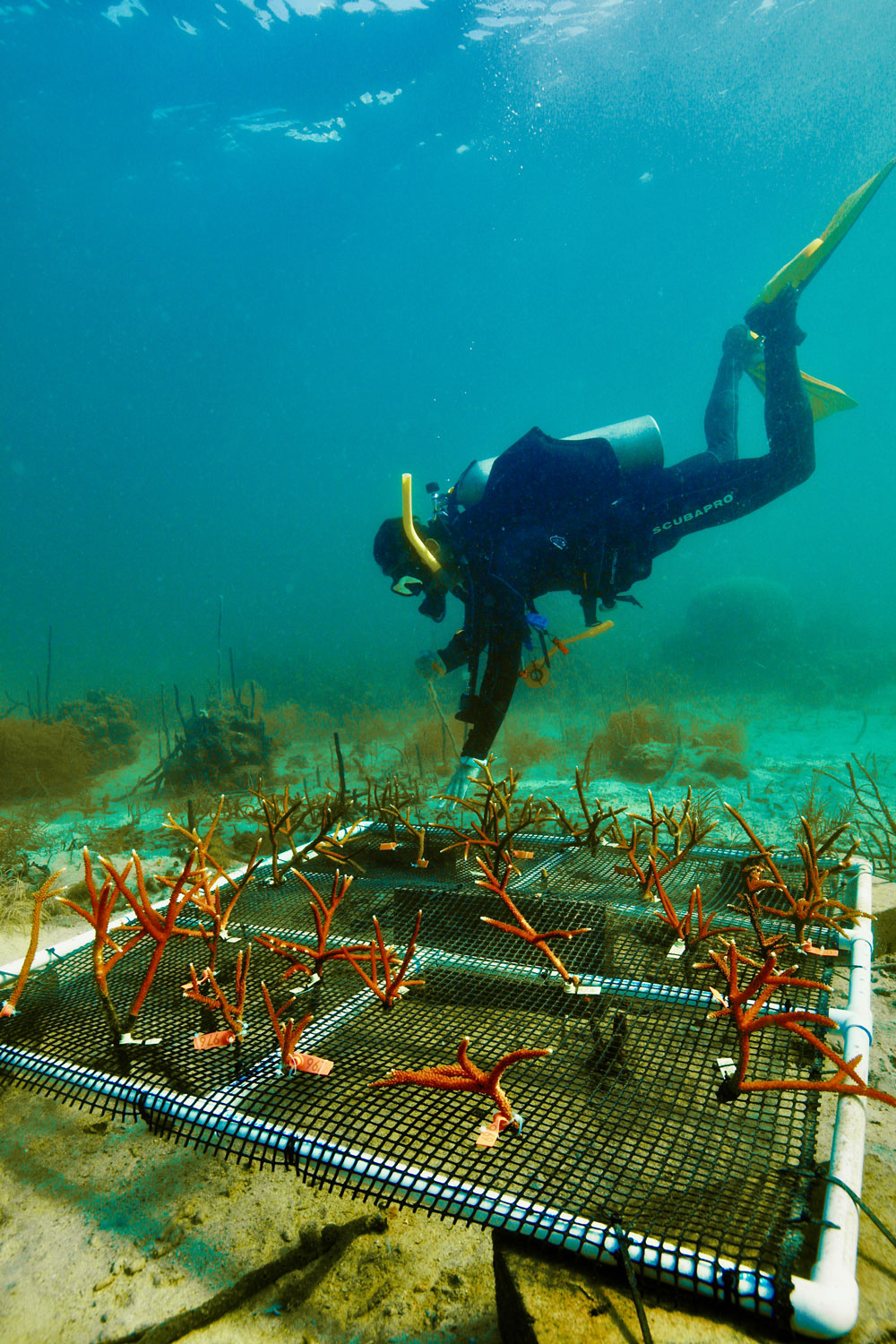
The nervous system acts as the sensory interface between an animal and its environment, and allows it to tune its bodily functions, find food and suitable places to live, interact with mates, and avoid predators. Alarmingly, the neurobiology of marine animals is threatened by human activities that are introducing rapid environmental changes, with potential cascading effects on populations, ecosystems and society. The Allen Discovery Center (ADC) for Neurobiology in Changing Environments (ADC-NiCE) will lead a wave of transformational research to characterize the neurobiology of four diverse species of coral, snail, sea urchin, and fish and their short- and long-term responses to ocean warming, decreased oxygen levels (hypoxia), and increased carbon dioxide levels (acidification). Our transdisciplinary approach will combine cutting-edge genomic approaches with physiological, behavioral and field experiments, and it will aim to identify mechanisms that confer neurobiological resilience or vulnerability to naturally and human-induced changing environments. Our focus on four biodiverse species has the potential to unveil neurobiological principles that broadly apply to marine organisms.

The ultimate goal of ADC-NiCE is to guide policy making, conservation and restoration decisions and enable active interventional strategies. Additionally, ADC-NiCE will lead extensive scientific training, tool and data sharing activities to catalyze cutting-edge research bridging neurobiology and environmental science throughout the world. The impact of ADC-NiCE will be further amplified through an extensive educational program that will introduce the general public to the mind-blowing field of marine neurobiology.

diving1

In the News