Tresguerres lab heads to Cleves lab for spawning coral larvae collection
NEWS
Tresguerres lab heads to Cleves lab for spawning coral larvae collection
Scientists generally study organisms that reproduce well in the lab. Corals are not those animals. In nature, most corals spawn once per year, in the middle of the night and after a full moon – making it difficult to study their larvae. Corals are living organisms that are essential to the health and sustainability of oceans, which can be genetically modified only when they spawn, as coral eggs are required at a specific cell stage. Given the natural spawning cycle of once per year, researchers need to be at the right place at the right time to run these experiments. Dr. Phillip Cleves and his team work with state-of-the-art methods to simulate lunar cycles in the lab, including spawning, potentiating research that may be crucial for reef conservation. Now, instead of waiting for one moment in November, by the full moon, corals can reliably spawn many times throughout the year in the Cleves lab.
Corals serve a similar purpose to trees in the forest. They are primary food producers, creating a habitat for animals, and promoting nutrient cycling. If it were not for corals, and the algae growing inside them, there would be far less structure to tropical ecosystems. In fact, it is thought that about 25% of all marine life is supported by coral reefs.
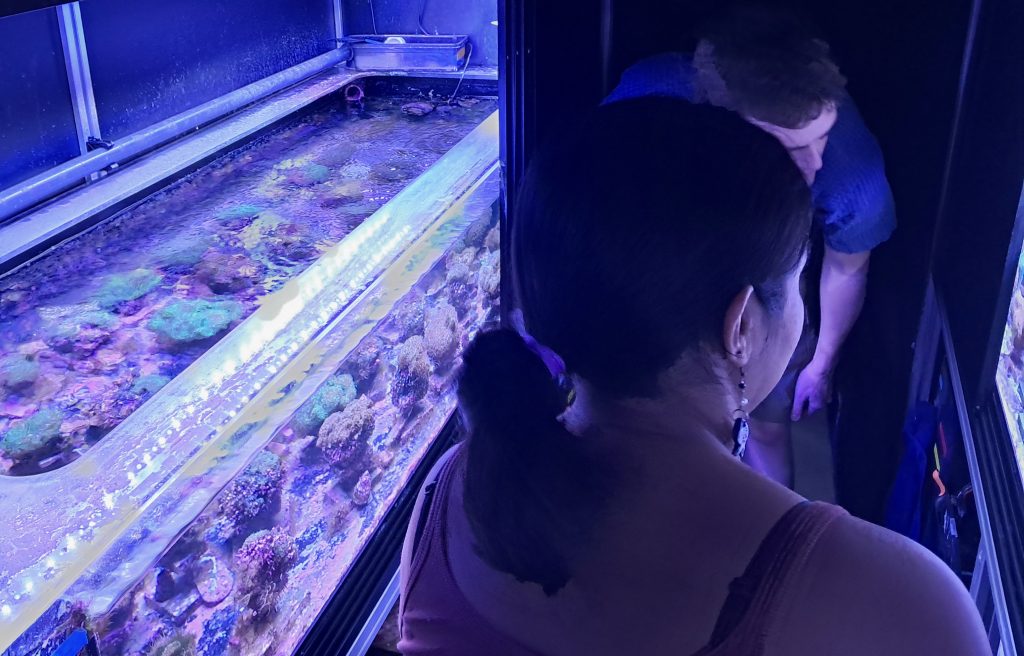
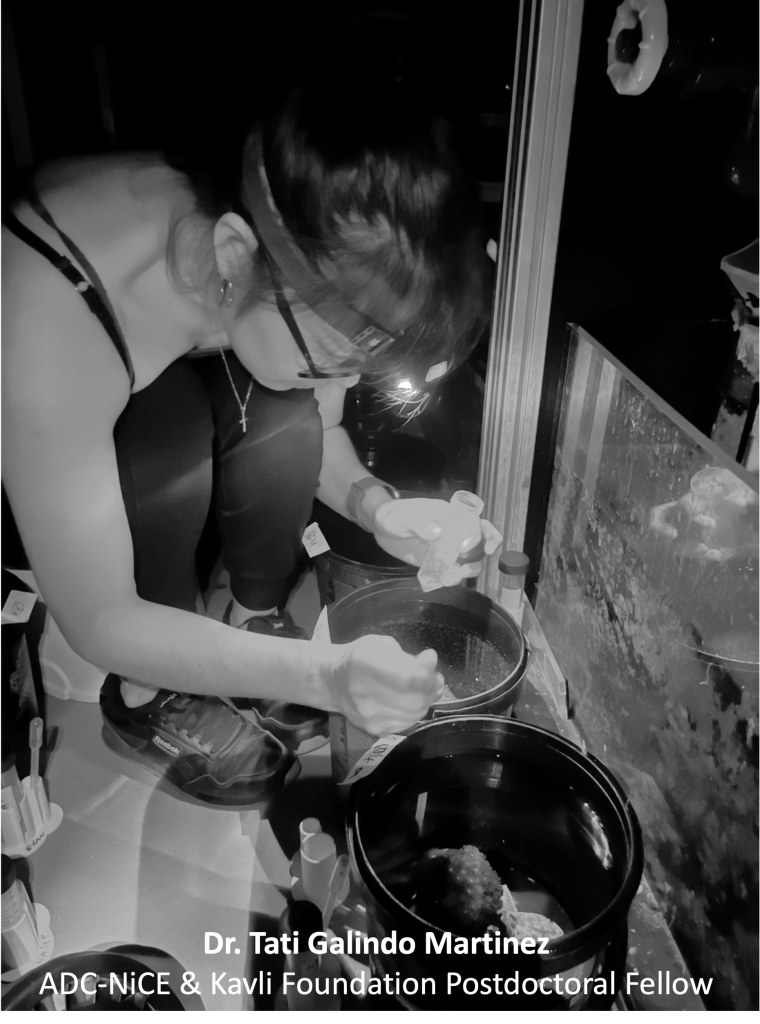
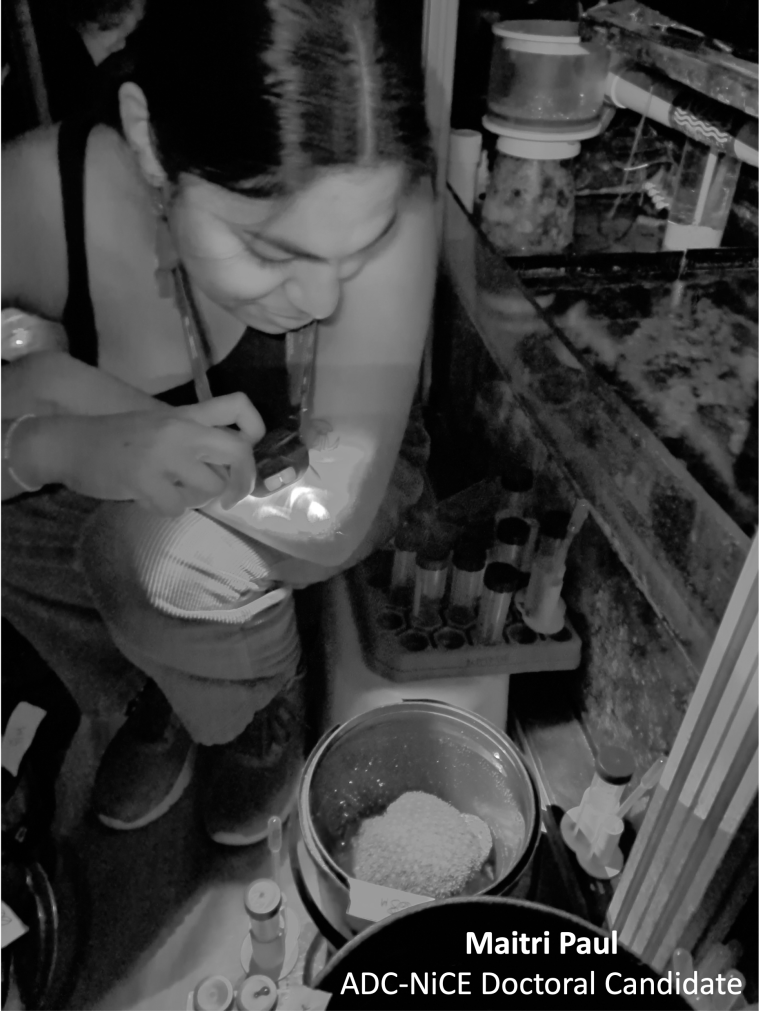
Together with the Tresguerres lab at Scripps Institution of Oceanography (SIO) at UC San Diego, the Cleves lab at Carnegie Science are working together to delineate neurobiological pathways which confer resilience or susceptibility of corals, within the context of changing environmental conditions. During the most recent spawning event in February 2025, Tresguerres lab members, Dr. Galindo Martinez and doctoral candidate, Maitri Paul, were hosted by the Cleves lab for coral larvae collection and transport back to SIO. Experiments are currently ongoing and next steps for further ADC-NiCE collaborations are being planned.
Stay tuned for more exciting updates!
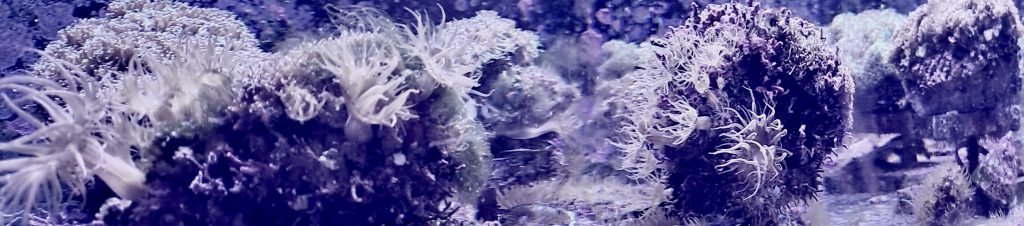
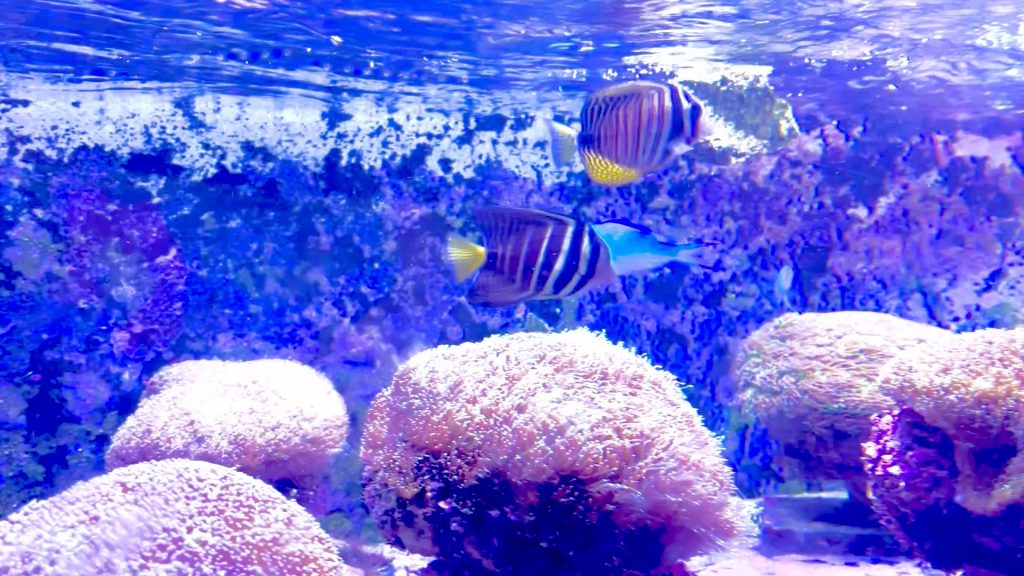
Spawning corals cultivated in the Cleves lab at Carnegie Science